Glass and Wood in Contemporary Sculpture: A Meeting of Contrasts
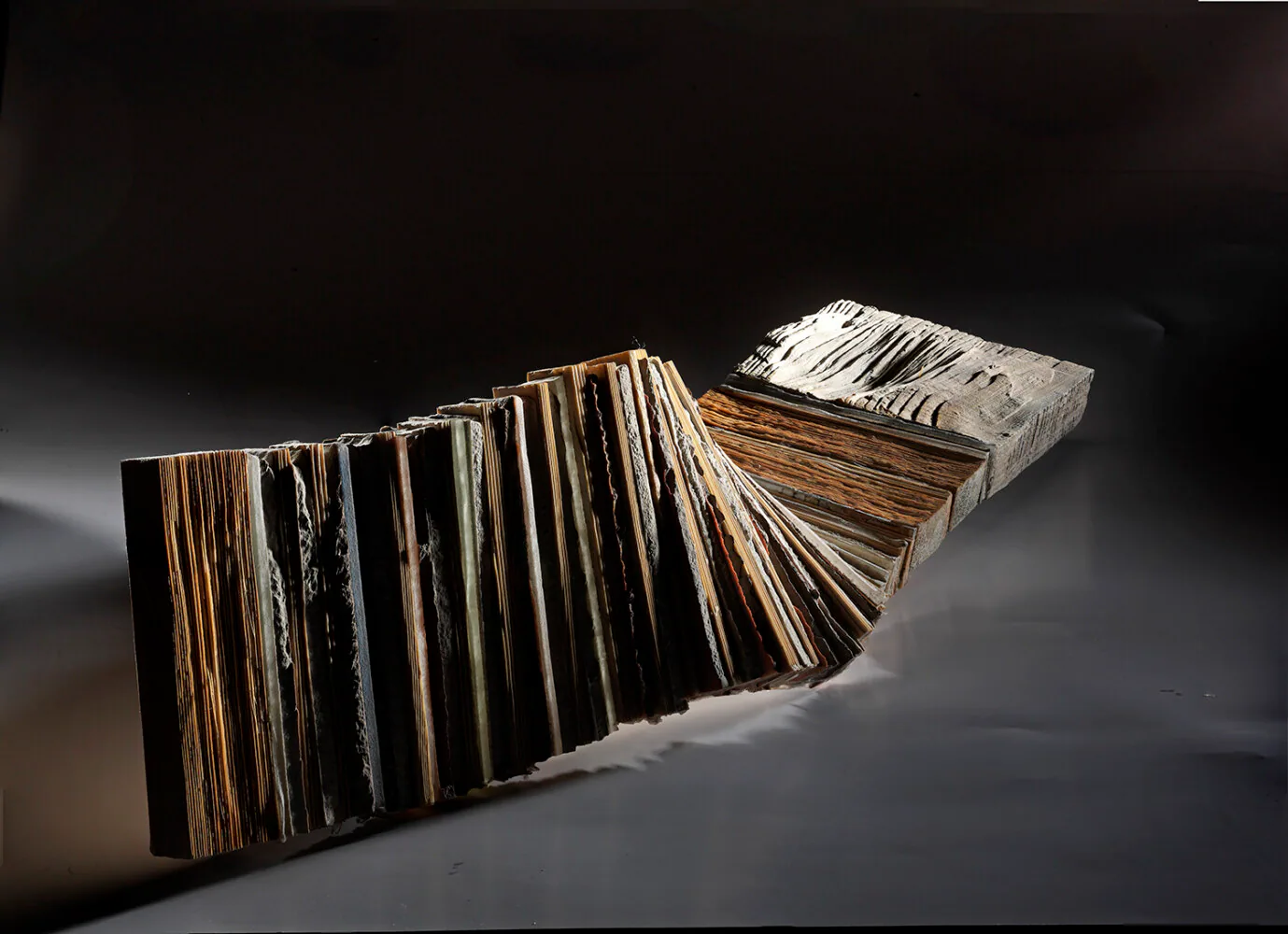
Glass and Wood in Contemporary Sculpture: A Meeting of Contrasts
One of the most fascinating aspects of contemporary sculpture is the freedom to explore relationships between different materials. Rather than working exclusively with a single medium, artists can combine contrasting textures, surfaces and forms to create new visual and emotional experiences.
Glass and wood offer particularly interesting possibilities. Glass is often associated with light, transparency and fragility, while wood conveys warmth, natural character and visible traces of time.
When brought together in a sculpture, these contrasting qualities can complement and strengthen one another.
Two Materials, Two Distinct Characters
Wood is a natural material, and every piece possesses its own individual characteristics. Grain patterns, colour variations, knots, cracks and irregular contours give it a distinctive identity. Even after careful shaping, wood may retain elements of its original organic appearance.
Glass offers an entirely different visual experience. It may be transparent, translucent, opaque or richly coloured. Its surface can reflect, transmit or refract light, allowing its appearance to change depending on illumination and viewing angle.
When combined in a single artwork, these materials can create a compelling visual tension. The irregularity of natural wood may be contrasted with precise geometric glass elements, or both materials may be shaped into flowing, organic forms.
Light as an Invisible Element of Sculpture
One of the most remarkable qualities of glass is its relationship with light.
A sculpture incorporating glass may look different in natural daylight, soft ambient lighting or under a carefully positioned light source. Colour intensity, transparency and the interaction of shadows can all influence the viewer's experience.
Wood can provide a visual counterbalance. Its textured, often matte surface may emphasise the luminosity of glass, while its natural tones can balance more vibrant colours.
In this way, light becomes more than a means of illuminating the artwork. It becomes an active part of how the sculpture is perceived.
Organic Forms and Deliberate Composition
Contemporary sculpture frequently explores the relationship between organic and geometric forms.
The irregular outline of a natural piece of wood can create a strong visual presence. When paired with coloured glass layers, rhythmic bands or more structured elements, the resulting composition may feel both dynamic and balanced.
The relationship between materials goes beyond simple contrast. Each surface draws attention to the other: the grain of wood may become more pronounced beside smooth glass, while glass colours may appear more vivid against restrained natural tones.
The result can be an artwork that reveals different details from different viewpoints.
The Importance of Uniqueness
The individual characteristics of natural wood can play an essential role in glass-and-wood sculpture.
Even two pieces of wood with similar dimensions and shapes will not have identical grain patterns, textures or structures. This individuality becomes particularly significant when an artist chooses to preserve and incorporate the material's original character.
Combining wood with glass can add further complexity. Variations in colour, proportion and the relationship between surfaces can give each composition its own distinctive visual identity.
The value of an original sculpture therefore lies not only in its materials, but also in the unique relationship the artist creates between them.
Glass and Wood Sculptures in Contemporary Interiors
The combination of glass and wood can be equally compelling in gallery spaces, private homes and professional interiors.
Natural wood tones may complement minimalist environments, while the colour and luminosity of glass can introduce a striking visual focal point.
A carefully positioned sculpture does not necessarily require surrounding decorative objects. Its presence alone can influence the atmosphere and character of a room.
When selecting a location, however, it is important to consider the artwork's dimensions, stability, fragility and any specific care requirements.
When Materials Tell a Story
Perhaps the most compelling quality of glass-and-wood sculpture is the ability of two different materials to create something entirely new together.
Wood can evoke natural forms and the passage of time, while glass introduces possibilities of light, colour and transparency. The artist's role is not simply to join the materials, but to establish a relationship that carries its own artistic meaning.
Through the works of Anita Darabos DLA, the LumenGlass gallery offers an opportunity to explore this distinctive material language. Organic shapes, colourful details and sculptural compositions invite viewers to reconsider the relationship between glass and wood.
Explore the LumenGlass collection and archive, where materials, forms and colours come together in original works of art.